Blog

  • How 9bloom Optimized Automated Reporting and Dashboards for a Leading Customer Success Platform

    How 9bloom Optimized Automated Reporting and Dashboards for a Leading Customer Success Platform

    In today’s fast-paced digital landscape, data-driven decision-making is essential for success. A leading customer success platform partnered with 9bloom to implement automated reporting, enhancing its dashboards and visualization capabilities. The results? Faster reporting, fewer meetings, and significant performance improvements. Here are five major benefits of this transformation:

    1. Reduced Reporting Time by 37%
      Before automation, compiling reports was time-consuming and inefficient. With automated reporting and real-time dashboards, teams can now access up-to-date metrics instantly, cutting reporting time by 37% and allowing them to focus on strategic initiatives.
    2. Fewer Update Meetings
      Automated reporting eliminated the need for frequent update meetings. Stakeholders can now access the latest data anytime through intuitive dashboards and advanced visualization, reducing unnecessary check-ins and improving overall productivity.
    3. Increased Product Performance by 21%
      With better visualization of performance trends and customer feedback, the company optimized its product offerings, leading to a 21% boost in overall product performance.
    4. Enhanced Data Accuracy
      Manual data entry often introduces errors. By automating data collection and integrating real-time dashboards, the platform ensured greater accuracy, helping teams make reliable, data-driven decisions.
    5. Improved Decision-Making
      With real-time insights at their fingertips, executives and managers can leverage automated reporting and dynamic visualization tools to make informed decisions faster, driving strategic growth and improving customer experiences.

    By implementing 9bloom’s automated reporting solutions, this customer success platform has significantly improved efficiency, accuracy, and performance. No more wasted time on outdated reporting methods—just real-time dashboards and advanced visualization that fuel business success.

    Looking to enhance your business by improving reporting? Book a call with 9bloom today to see how we can help you optimize your dashboards and data-driven decision-making!

  • How Poor Internal Reporting is Holding Your Company Back and Why 9bloom is the Best Solution

    How Poor Internal Reporting is Holding Your Company Back and Why 9bloom is the Best Solution

    In today’s data-driven world, poor internal reporting is a major barrier to business success. Without accurate, real-time information, companies risk making decisions based on guesswork, missing opportunities for optimization, and struggling with inefficient resource allocation. Whether it’s sales, operations, or marketing, ineffective reporting can significantly stunt your company’s growth. Here’s how poor reporting is holding your business back—and why 9bloom is the solution you need.

    1. Lack of Actionable Insights

    Internal reporting’s primary purpose is to provide insights that guide decision-making. However, poor reporting often results in incomplete or unclear data, making it difficult to draw actionable conclusions. For instance, if your sales team lacks visibility into conversion rates or your marketing team can’t track campaign performance accurately, both will be flying blind. This can lead to wasted resources and missed opportunities.

    9bloom solves this by offering real-time, customizable dashboards tailored to each department’s needs. With centralized data and easy-to-read reports, 9bloom ensures that everyone has clear, actionable insights to drive effective decision-making across the board.

    2. Missed Optimization Opportunities

    Without proper internal reporting, inefficiencies go unnoticed. For example, your marketing efforts may continue to target the wrong audience, or your operations may lack the necessary adjustments to optimize workflows. Inaccurate reporting can prevent teams from identifying these issues, causing unnecessary costs and lost time.

    With 9bloom, eradicate silos, data from sales, marketing, and operations are integrated, allowing you to identify trends and bottlenecks early. By spotting these inefficiencies, 9bloom enables you to optimize your processes and drive better outcomes across the business.

    3. Ineffective Resource Allocation

    Allocating resources without clear data is a guessing game. Avoid spray and pray. If reporting is poor, you might over-allocate funds to one department while underfunding others, leading to unoptimized performance.

    9bloom gives you access to real-time data on resource utilization, helping you allocate staff, budget, and time more effectively. By tracking performance metrics and other relevant data points, 9bloom enables resources dispersion to where they’ll have the greatest impact.

    4. Slow Decision-Making and Poor Communication

    When internal reports are inconsistent or hard to interpret, teams are forced to work in silos, which slows decision-making and serves as a bottleneck to collaboration. This lack of clarity can create delays and miscommunication that hinder overall performance, not only impacting output but also culture and morale within the organization.

    9bloom centralizes reporting, making it easy for all teams to access and share key data. With its user-friendly interface, everyone—from executives to team members—can make informed decisions quickly, improving communication and speeding up workflows. 9bloom gets everyone reading from the same page. 

    Why 9bloom?

    Poor internal reporting doesn’t have to hold your company back. 9bloom provides the tools you need to transform how your business uses data. With real-time, actionable insights, efficient resource allocation, and improved communication, 9bloom empowers your teams to make smarter, faster decisions that drive growth.

    By implementing 9bloom, your company can break free from the constraints of poor internal reporting and unlock its full potential.

  • Interview with Marcel, the Founder and CEO of Ridge Pine Capital — How focusing on data transformed their operations and accelerated growth.

    Interview with Marcel, the Founder and CEO of Ridge Pine Capital — How focusing on data transformed their operations and accelerated growth.

    Fey: Thank you so much for joining us today. We’re excited to hear about how hiring a data scientist has impacted your business. Can you start by telling us a little about your company?

    Marcel: Absolutely, and thanks for having me. We specialize in ventilation installations—everything from residential systems to commercial HVAC systems. We acquired our first business about three years ago, and it had been running for a while before we took over. Since then, we’ve been working hard to grow the company and modernize its operations. We reached a point where we realized we needed a more data-driven approach to fuel that growth, which led us to hire a data scientist partner.

    Fey: That’s a great background. So, what was it that made you decide to bring a data scientist on board? What challenges were you facing that led you to that decision?

    Marcel: When we took over, the business had great potential, but there was a lot of untapped opportunity. The operations were a bit traditional and reactive—there wasn’t much use of data to inform decisions. We had challenges in understanding our customer base better, refining our marketing efforts, and optimizing scheduling. We also struggled with pricing strategies—there wasn’t a clear sense of when demand would peak or how to leverage that data to grow sustainably. At that point, we knew we needed someone with expertise in analyzing data to help us make smarter decisions.

    Fey: It sounds like there were a lot of moving pieces. How did the data scientist help address some of these challenges?

    Marcel: Absolutely, and the data scientist really became an integral part of our team. The first thing he did was audit all the data we already had—customer information, service records, and historical trends. One of the first insights he uncovered was about our marketing. We were spending a significant amount on broad digital advertising, but the data showed that our most profitable customers were located within a specific region. We also found that a certain demographic group was more likely to need our services at certain times of the year.

    Fey: That must have been a huge revelation. How did this insight impact your marketing strategy?

    Marcel: It was a game-changer. We quickly reallocated our marketing budget to focus on these higher-value customers and tailored our messaging to appeal directly to their needs. This not only improved our return on investment, but it also helped us target the right audience with more precision. Instead of casting a wide net, we were now reaching the customers who were most likely to convert, which resulted in higher lead volumes and more consistent business.

    Fey: That’s impressive! It sounds like the data scientist wasn’t just focused on marketing but also helped optimize operations. Can you elaborate on that?

    Marcel: Exactly. One of the biggest wins was improving our scheduling and logistics. Before, we were sometimes scrambling to fill time slots or running into overbooking issues. The data scientist analyzed service demand patterns over time, and we were able to predict when installations or maintenance calls were likely to surge. This allowed us to proactively adjust our schedules to meet demand more efficiently.

    Another key insight was in pricing. He helped us analyze our service prices against market conditions and competitor rates, adjusting them dynamically based on seasonal demand and customer preferences. It made us more competitive and, in some cases, allowed us to capture higher margins without losing customers.

    Fey: Those operational improvements sound really impactful. What kind of results have you seen since making these changes?

    Marcel: The impact has been significant. Within six months of bringing the data scientist on board, we saw a 30% increase in revenue, driven by better-targeted marketing and more efficient scheduling. Our conversion rates improved by 25%, and our customer retention also got a big boost. With more personalized services and promotions, we built stronger relationships with existing customers, which led to more repeat business.

    On top of that, we’ve reduced overhead by optimizing our workforce management. By predicting busy times more accurately, we were able to scale labor resources more effectively, reducing unnecessary overtime and keeping operations smoother.

    Fey: Those are some incredible results. If you had to offer advice to other small business Marcels who might be considering hiring a data scientist, what would you say?

    Marcel: I’d say that if you’re serious about growth, bringing in a data scientist can be a game-changer. A lot of small businesses think that data analysis is something only big companies need, but that’s not the case. The sooner you start analyzing your data, the sooner you can make more informed, strategic decisions. For us, it was an investment that paid off quickly, but you need to ensure that the person you hire really understands your business and can translate data into actionable insights. It’s a learning process, but it’s worth it.

    Fey: Great advice. Thank you so much for sharing your experience with us today!

    Marcel: My pleasure! Thanks for having me. It’s been great to talk about how data has transformed our business.
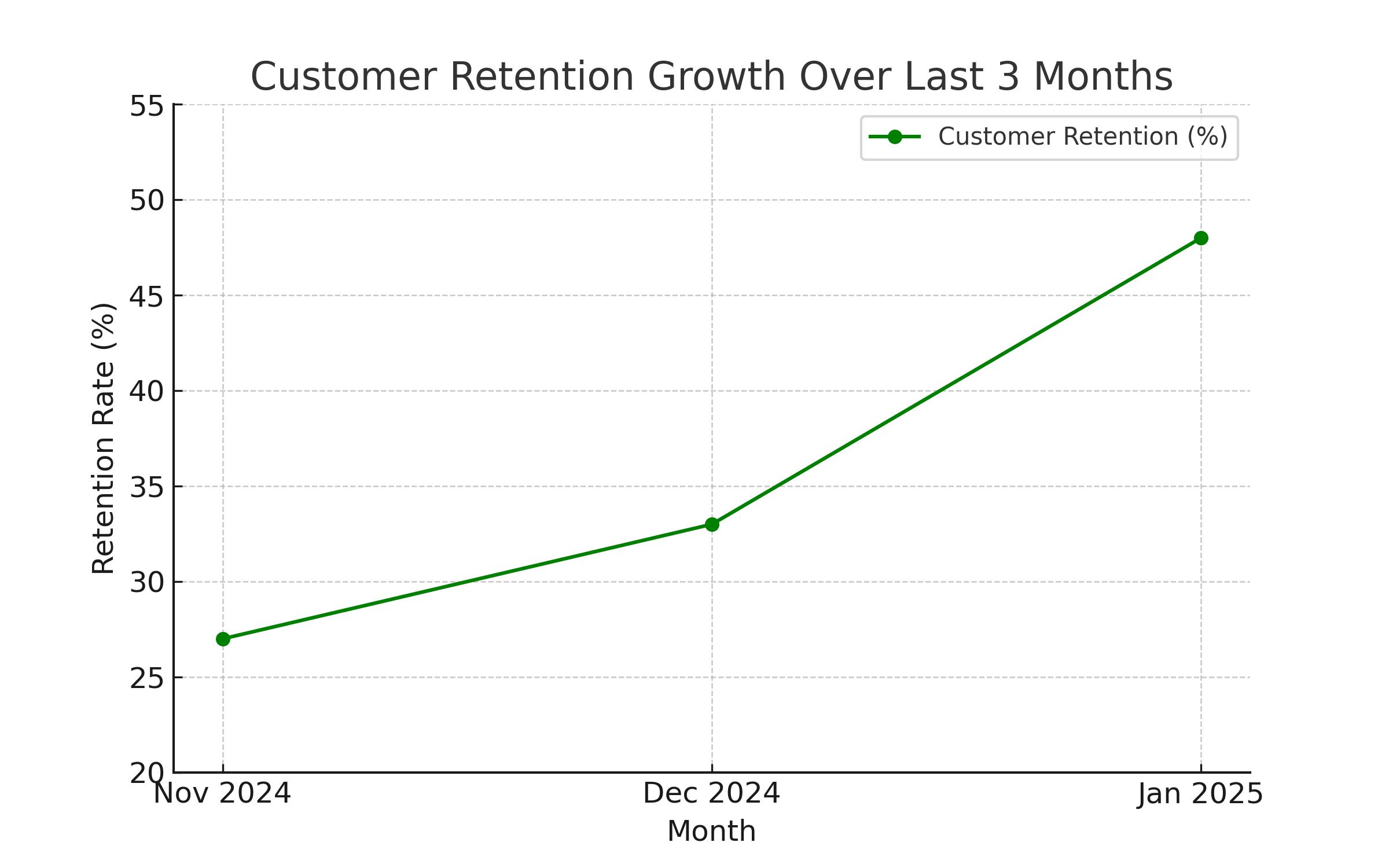
  • Case Study: How We Helped Everlance Improve Their Growth with Automated Partner Reporting

    Case Study: How We Helped Everlance Improve Their Growth with Automated Partner Reporting

    Background:

    Everlance, a leading expense management platform for gig workers, provides freelancers, contractors, and gig economy participants with tools to track mileage, expenses, and tax deductions. As the gig economy grew, Everlance recognized a significant opportunity to scale, but managing the reporting process for their growing network of partners—such as financial institutions, fleet companies, and other service providers—was a major challenge.

    The company relied on manual reporting to share performance data with partners, which was time-consuming, error-prone, and difficult to scale. Everlance reached out to us for a solution that could automate partner reporting, improve data accuracy, and enable the company to grow more efficiently.

    Challenges Faced by Everlance:

    1. Manual Reporting: Reports were manually created and shared with partners, a process that consumed significant time and resources. The risk of human error, delays, and inconsistencies were common issues.
    2. Scalability Issues: As Everlance expanded and added more partners, the volume of reports grew, overwhelming their existing manual system. This hindered the company’s ability to scale effectively and provide real-time insights to partners.
    3. Inconsistent Data Formats: Different partners required different formats for reports, ranging from Excel sheets to PDFs and API access. This lack of standardization made it hard for Everlance to deliver reports efficiently.
    4. Resource Drain: The manual process drained resources that could have been allocated to more strategic initiatives, such as enhancing the user experience or developing new features for the platform.

    Solution: Automated Partner Reporting System

    To address these challenges, we developed an automated partner reporting system tailored to Everlance’s needs. The solution involved several key components:

    1. Customizable Report Templates: We created an easy-to-use interface for Everlance to build report templates tailored to each partner’s specific needs. Whether it was user activity data or transaction history, these templates could be quickly generated and adjusted as needed.
    2. Automated Data Aggregation: The system integrated directly with Everlance’s backend, enabling real-time data aggregation for reports. This ensured that data was always current and eliminated the need for manual data collection.
    3. Multi-Format Delivery: The solution enabled reports to be exported in multiple formats, including PDF, Excel, and CSV. It also offered an API for partners requiring programmatic access to the data.
    4. Automated Scheduling and Distribution: We implemented a scheduling feature that allowed reports to be automatically generated and sent at predefined intervals, such as daily, weekly, or monthly, without manual intervention. This ensured that partners always received reports on time.

    Results:

    The automated reporting system had a transformative impact on Everlance:

    1. Time and Cost Savings: Automation eliminated manual report preparation, saving significant time and resources. Internal teams could now focus on higher-value tasks like product development and customer support.
    2. Scalability: Everlance could now scale effortlessly by onboarding new partners without worrying about report generation. The system was designed to handle a larger volume of reports as the company expanded.
    3. Improved Partner Satisfaction: With accurate, timely, and customized reports, partners were able to gain deeper insights into their performance, leading to stronger relationships and increased satisfaction.
    4. Enhanced Data Accuracy: The automated system reduced the risk of human error, ensuring that reports were consistent, reliable, and accurate. This boosted the credibility of Everlance’s data among partners.

    Conclusion:

    By automating their partner reporting process, Everlance overcame key operational challenges, improved their scalability, and enhanced partner relationships. The solution saved time, improved data accuracy, and helped Everlance grow faster without sacrificing quality. With more efficient reporting in place, the company is now better positioned to expand its services and strengthen its position in the competitive gig economy market.

  • What to Consider When Selecting an Automated Reporting Partner

    What to Consider When Selecting an Automated Reporting Partner


    In today’s fast-paced business environment, automated reporting tools are invaluable for saving time, improving accuracy, and making data-driven decisions. However, choosing the right reporting partner can be challenging, given the variety of options available. To ensure you make an informed decision, here are eight key factors to consider when selecting an automated reporting solution.

    8 Key Considerations When Selecting an Automated Reporting Partner

    1. Business Needs and Objectives: Ensure the tool aligns with your specific reporting goals (e.g., tracking KPIs, compliance, insights) and data types.
    2. Integration Capabilities: Verify the tool can seamlessly integrate with your existing systems (CRMs, ERPs, marketing platforms) to automate data flow.
    3. Customization and Flexibility: Choose a solution that allows you to tailor reports, layouts, and frequency to meet your organization’s unique requirements.
    4. Ease of Use: Look for an intuitive interface that simplifies report creation, even for non-technical users, to ensure broad adoption.
    5. Data Accuracy and Security: Ensure the tool maintains high data integrity and follows strict security protocols (encryption, user access control) to protect sensitive data.
    6. Scalability: Select a solution that can grow with your business, handling increasing data volumes, users, and more complex reporting needs over time.
    7. Support and Customer Service:Prioritize vendors with responsive, accessible customer support and robust resources like knowledge bases or community forums.

    Cost and ROI: Balance pricing with features, and evaluate the long-term ROI from improved efficiency and data-driven insights.

    Conclusion

    Choosing the right automated reporting partner is a critical decision that can have a lasting impact on your business’s efficiency, decision-making, and growth. By considering factors like integration, customization, scalability, and support, you can select a solution that meets both your current and future needs. With the right partner, you’ll not only streamline your reporting processes but also unlock deeper insights to drive better business outcomes.

  • How Internal Data Reporting and Partner Data Reporting Automation Enhances B2B Sales Performance?

    How Internal Data Reporting and Partner Data Reporting Automation Enhances B2B Sales Performance?

    In the dynamic realm of B2B sales, the integration of automated data reporting has emerged as a game-changer. By automating the collection, analysis, and presentation of sales data, businesses can reduce errors, improve efficiency, and gain real-time insights that drive growth. This article delves into the transformative power of automated reporting and its role in optimizing B2B sales strategies.

    Challenges of Manual Reporting

    Traditional reporting methods often involve time-consuming processes that hinder productivity and decision-making. Key challenges include:

    Traditional reporting methods often involve time-consuming processes that hinder productivity and decision-making. Key challenges include:

    • Inconsistent Data: Manual processes are prone to discrepancies due to data coming from multiple, unintegrated sources.
    • Delayed Insights: By the time manual reports are generated, the data may already be outdated, reducing its relevance.
    • Resource Drains: Teams spend valuable time on administrative tasks rather than focusing on strategic goals.

    These inefficiencies not only impact sales performance but also limit an organization’s ability to respond swiftly to market changes.

    The Benefits of Automation in Data Reporting

    Automated reporting systems streamline data collection, processing, and distribution, offering several tangible benefits:

    1. Real-Time Insights for Informed Decisions

    Automated systems provide sales teams with up-to-date data, enabling proactive responses to market trends and customer behavior. For instance, if engagement from a key client declines, the sales team can address the issue immediately. According to McKinsey Global Institute:

    • Data-driven organizations are 23 times more likely to acquire new customers.
    • They are six times more likely to retain customers and 19 times more likely to be profitable.

    Companies utilizing data-driven sales-growth strategies report EBITDA increases between 15% to 25%, says Mckinsey Global Institute.


    2. Enhanced Accuracy and Consistency

    By pulling data directly from reliable sources, automated reporting minimizes human error and ensures consistency. This allows leaders to make decisions with confidence. For example, during a product launch, automation provides precise metrics on customer feedback and sales performance, avoiding costly errors caused by manual data entry.

    3. Boosted Productivity and Efficiency

    Automation eliminates repetitive tasks, freeing up resources for higher-value activities. Research from Gartner indicates that automation can save up to 25,000 hours of avoidable work annually. This translates to significant cost savings and more efficient allocation of resources.

    4. Improved Partner Management

    Partner data reporting automation offers valuable analytics to optimize relationships. Businesses can:

    • Identify high-performing partners and replicate their success.
    • Allocate resources effectively based on partner performance.
    • Use predictive analytics to anticipate market changes and address potential issues before they escalate.

    Such insights foster stronger partnerships and contribute to revenue growth and market agility.

    5. Accelerated Sales Cycles

    Automated reporting shortens sales cycles by providing accurate data quickly, allowing teams to make faster, more informed decisions. Studies reveal that sales teams using automation tools close 30% more deals and reduce their sales cycle duration by 18%.  

    Real-World Success Stories

    Several companies have demonstrated the transformative impact of automated data reporting:

    • 6clicks: By integrating sales operations with a CRM system, 6clicks achieved an 806% growth in operational efficiency, highlighting the value of seamless automation (CMO).
    • SkipTheDishes: This food delivery service reduced onboarding times for new restaurant partners by 50% through Salesforce’s automated tools, showcasing the role of automation in scaling operations (CMO).
    • LinkedIn: Using an intelligent account prioritization engine, LinkedIn’s sales team increased renewal bookings by 8.08%, emphasizing how automation can enhance decision-making and revenue growth (ARXIV).

    Steps to Implement Automated Reporting

    To successfully adopt automated data reporting, follow these steps:

    1. Evaluate Current Processes: Identify tasks that consume significant time and resources.
    2. Choose the Right Tools: Select automation systems compatible with existing platforms and tailored to business needs.
    3. Train Stakeholders: Ensure teams and partners understand and can utilize the new tools effectively.
    4. Monitor and Optimize: Regularly assess the performance of automated systems and make necessary adjustments to maximize efficiency.

    Conclusion

    Automated data reporting is no longer optional for B2B sales teams striving to stay competitive. By delivering real-time insights, enhancing productivity, and improving accuracy, automation empowers organizations to make smarter decisions and achieve sustainable growth.

    As evidenced by real-world success stories, the integration of automation in data reporting drives measurable improvements in sales performance and operational efficiency. Companies that embrace this technology now position themselves as leaders in a rapidly evolving market. Connect with 9bloom today to explore how automated reporting can transform your business.